How To Embrace Maximalism In 2026, According To Interior Tastemakers
In 2026, maximalism has grown up. We’ve shrugged off ‘more is more’ and are giving better consideration to depth, texture and meaning. Today’s richly layered rooms are emotional, sustainable and personal. Here, leading designers and tastemakers share how to apply modern maxims to your maximalism. By NATASHA BIRD
Start with your own story
After a decade of beige boxes, quiet luxury and limewashing the walls of every room, we’re definitely ready for maximalism to make its grand return. Maximalism allows us to build on a home’s character and to let everything from drapes to objets d’art tell a vibrant story.
“As a stylist and artist, I feel people are longing for spaces that feel personal again,” says Aude Malbat Christin, founder of Joli Jour Paris. “Today’s maximalism allows a home to tell the tales of real life. It isn’t about excess; it’s about depth.”
Designer Luke Edward Hall agrees. “For me, it simply means living with layers of beautiful things that bring about happiness,” he says. “Our interiors are deeply personal and should reflect our interests and passions.”
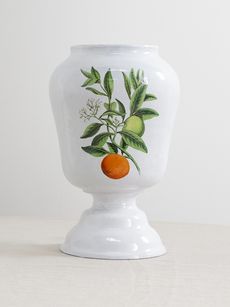 ASTIER DE VILLATTE+ John Derian ceramic vase
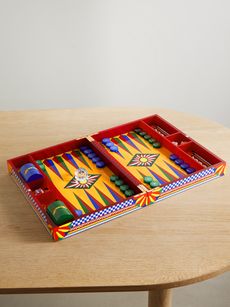 DOLCE&GABBANACaretto resin and wood backgammon set
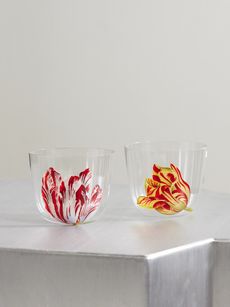 LOBMEYRTulipmania set of two painted crystal glass tumblers
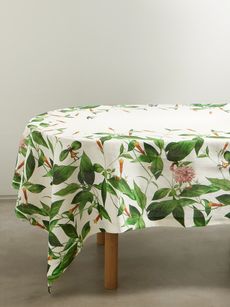 LA DOUBLEJ+ Beto Val large printed linen tablecloth
Understand how maximalism has evolved
“Maximalism is not a new concept, but it has evolved in 2026,” notes Sarah Henry, managing director at La Manufacture Cogolin. “After years of sterile, minimalist interiors that look catalogue-perfect, we are looking more and more to personalize our interiors and create meaningful spaces. Objects brought home from traveling abroad, books we have actually read, artisanal pieces, vintage furniture and accessories – all of these contribute to a space that feels personal and lived-in.”
Interior designer Miriam Frowein feels this year has a particular energy. “We’ve welcomed the Year of the Fire Horse, and this is bringing a new high energy and creative independence to how we design and decorate homes in a maximalist style,” she says.
Maximalism is more than shock value at this point, it’s an expression of deeply textured lives and an homage to individuality.
Layer pattern and texture, then add breathing room
If maximalism once meant a riot of prints, in 2026 it’s just as much about fibers, composition and rhythm.
“A successful maximalist interior layers patterns and textures, mixes pattern scales, and links everything through a common color palette,” says Henry. “It’s important to have some visual breaks: a painted wall or a large piece of furniture with no pattern provides a moment to take breath and helps another element to stand out.”
“Materials matter deeply to me,” explains Malbat Christin. “Aged wood marked by use. Washed linen that moves with the light. Handmade ceramics with imperfect glazes.”
The key is contrast: shiny and matte, smooth and nubby, graphic and soft. Curate your space carefully so that the eye can move, rest and then discover something new.
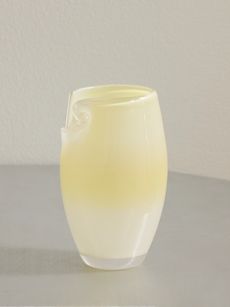 COMPLETEDWORKSMini recycled-glass vase
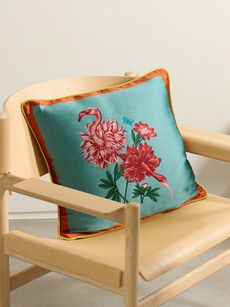 LA DOUBLEJ+ Beto Val satin-jacquard cushion
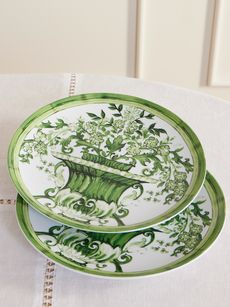 DOLCE&GABBANASet of two painted porcelain dinner plates
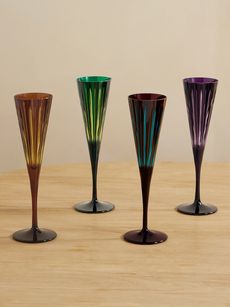 L'OBJETPrism set of four champagne flutes
Embrace sustainable collecting
One of the reasons maximalism feels fresh again is that it dovetails with a more sustainable approach to decorating.
“There is something inherently sustainable in maximalist interiors,” says Matoula Karagiannis, principal at Champalimaud Design. “The reuse and reimagining of vintage pieces is eco-friendly. Reclaimed timber, stone floors, vintage rugs – these bring authenticity into maximalist design.”
“A maximalist interior should evolve slowly. It is built over time, not bought in one season,” says Malbat Christin.
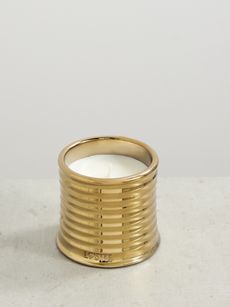 LOEWE PERFUMESEarl Grey medium scented candle, 280g
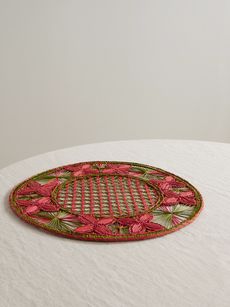 CABANALouloudi rattan placemat
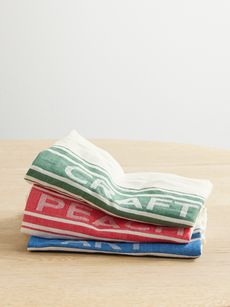 JW ANDERSONNeilly set of three striped linen napkins
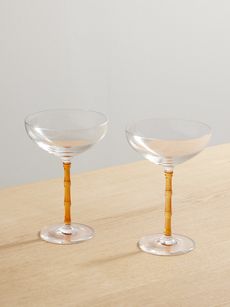 LA DOUBLEJBamboo set of two crystal champagne coupes
Create a strong ‘envelope’ and play inside it
If you’re nervous about where to start, several designers recommend beginning with the architecture of the room itself.
“If you want to give a room real presence, start boldly,” says Malbat Christin. “Wallpaper the walls and the ceiling in the same pattern. Paint the ceiling dark instead of white. Commit to a fully saturated room [with] one intense, enveloping color from floor to cornice. When the envelope is strong, everything else aligns naturally.”
Brand consultant and creative director Lucy Williams is similarly fearless about surfaces. “All-over wallpaper – ceiling included – has instant maximalist appeal,” she suggests. “I also love a painted, wide-striped ceiling for an instant pop of character.”
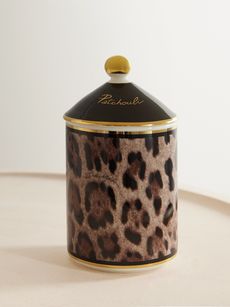 DOLCE&GABBANAPatchouli scented candle, 340g
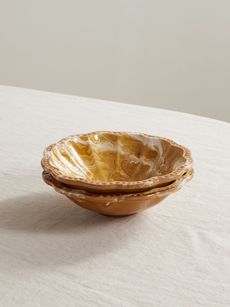 CABANASet of two small scalloped ceramic bowls
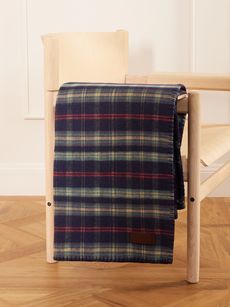 RALPH LAUREN HOMEGeorgia leather-trimmed whipstitched checked wool and cashmere-blend blanket
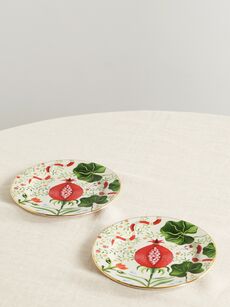 LA DOUBLEJSet of two gold-plated porcelain dessert plates
Practise ‘intentional chaos’
The biggest fear with maximalism is always the same: what if it just looks… messy?
“This is the beauty of maximalism – it’s intentional chaos,” says Frowein. “Bold spaces full of pattern can still feel calm, as repetition creates rhythm.”
“A strong piece of furniture with bold lines helps keep the eye focused in a room filled with different fabrics and wallcoverings,” says Karagiannis.
“Scale is also essential,” adds interior designer Katharine Pooley. “Mixing large and small patterns helps maintain balance, while repetition of color or tone keeps the scheme cohesive. Always step back and consider the room as a whole.”
And while many assume maximalism means filling the room, the red flag, says Pooley, is mistaking quantity for quality. “The biggest mistake is confusing maximalism with excess,” she notes. “Adding too much without structure creates visual chaos rather than layered interest.”
 COMPLETEDWORKSLarge embellished ceramic vase
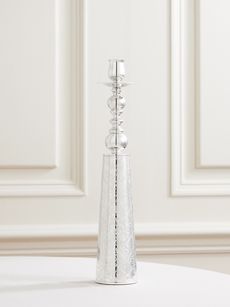 CHRISTOFLEJardin d'Eden silver-plated candlestick
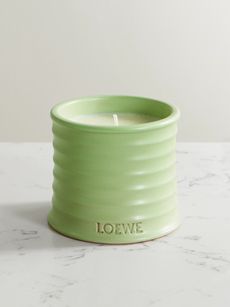 LOEWE PERFUMES+ Leo Wu cucumber small scented candle, 170g
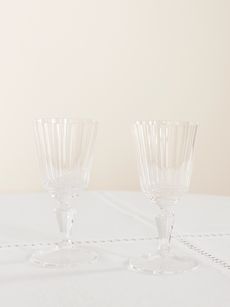 LOBMEYRSet of two crystal wine glasses
Don’t underestimate the kitchen
You don’t have to turn the whole house into a jewel box at once. In fact, maximalism often sings loudest in smaller or more contained spaces.
“I think maximalism works especially well (and is easy to achieve) in a smaller, darker room, rather than somewhere big and bright,” says Williams.
For Frowein, the kitchen is a surprisingly powerful place to begin. “A kitchen can be a wonderful starting place for introducing a maximalist style,” she suggests. “Naturally it’s the heart of the home and a space which can be truly personal as there’s so many design elements to consider. Here, one can experiment with a bold color palette on walls or joinery, or add rich complementary patterns to flooring, tiles and window treatments. This can then be layered with statement lighting, artwork and accessories.”
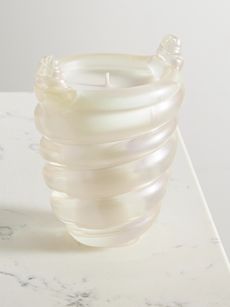 SOPHIE BILLE BRAHENuage Madison scented candle
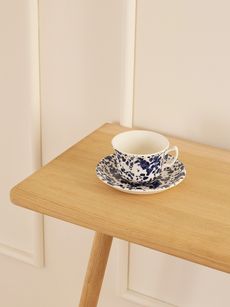 RALPH LAUREN HOME+ Burleigh painted earthenware teacup and saucer set
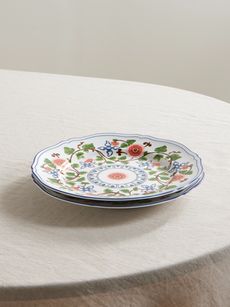 CABANA+ Ginori 1735 Martina set of two porcelain dinner plates
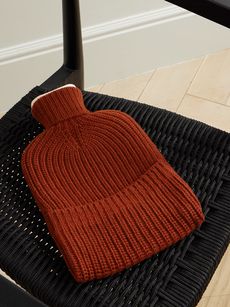 JOHNSTONS OF ELGINRibbed cashmere hot water bottle cover
Design with feeling
If there’s one thing that separates 2026 maximalism from everything that came before, it’s that the goal is as much about emotion as it is about visual feast.
“What feels dated is decoration for performative excess,” says Malbat Christin. “Depth matters more than drama.”
Williams always begins with mood. “I think it’s really important to think about how you want to feel in a space, and what that looks like to you, because things like ‘cozy’, ‘energized’ and ‘relaxed’ look different to all of us,” she says.
For Hall, the pay-off is finding his peace of mind. “Personally, I find that living with layers – of objects, art and books – brings about a sense of calm and satisfaction,” he says. “I like to be surrounded by my treasures. They’re almost like old friends.”
In the end, that may be the real litmus test of modern maximalism: not how impressive your room looks in a photograph, but how easily you relax when you walk through the door.
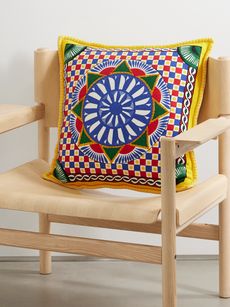 DOLCE&GABBANACashmere-jacquard cushion
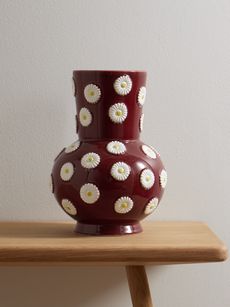 LA DOUBLEJMargherita painted ceramic vase
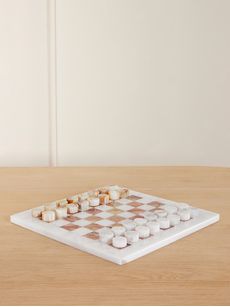 JIA JIA HOMEOnyx checkers set
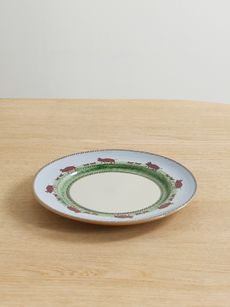 JW ANDERSON+ Nicholas Mosse painted ceramic plate
