Fashion’s Big Reset: The Who’s Who Of Designer Debuts
In recent seasons, a seismic shift has taken place across the industry as an unprecedented number of emerging and established designers made moves between leading luxury houses, bringing their individual design languages to the ateliers. Here, GILLIAN BRETT speaks to designers and fashion critics about fashion’s changing of the guards – and what we can look forward to from the spring/summer ’26 collections
Bottega Veneta: Louise Trotter
Résumé: British designer Louise Trotter held senior roles at Gap, Tommy Hilfiger and Calvin Klein before she made her name by reinvigorating British brand Joseph with more fashion-forward designs and taking it to the London Fashion Week runway for the first time. Trotter then spent five years at Lacoste and had a brief but impactful stint at Carven, before she was snapped up by Bottega Veneta following Matthieu Blazy’s departure to Chanel.
Known for: Refined silhouettes with artful twists.
The collection: Her journey to creating her widely lauded debut collection for spring/summer 2026, she says, took her back to the very beginnings of the brand itself. “I like that the ‘Bottega’ is a workshop – one with a long and multifaceted history in Italy. It involves the collective effort of craft; with craftsmanship, the people who make it and the people who wear it matter. It’s where the hand and the heart become one.”
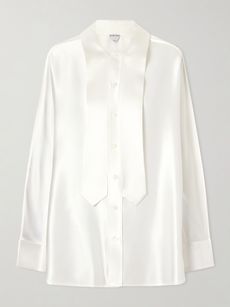 BOTTEGA VENETATie-detailed silk-satin shirt
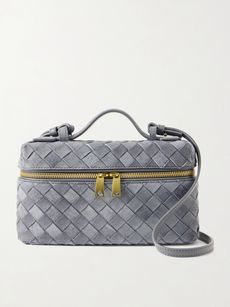 BOTTEGA VENETABang Bang Intrecciato suede tote
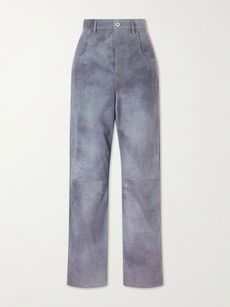 BOTTEGA VENETASuede straight-leg pants
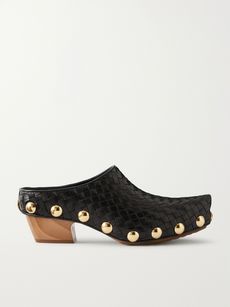 BOTTEGA VENETAGondola studded Intrecciato leather clogs€1,400.00View Product DetailsSelect a Size353637 - out of stock38 - low stock39 - out of stock40 - out of stock41 - out of stock42 - out of stock
Proenza Schouler: Rachel Scott
Résumé: Jamaican-born designer Rachel Scott launched Diotima in 2021 and quickly garnered industry interest for her modern take on centuries‑old crochet and macramé traditions. In 2024, she became the first Black woman to win CFDA American Womenswear Designer of the Year, and by 2025 was tapped to take the helm at Proenza Schouler.
Known for: Traditional techniques through a modern lens.
The collection: Spring/summer 2026 was a taster of what’s to come in collaboration with the design team (the show happened just a week after Scott joined). “I needed to immerse myself fully in the beautiful legacy Jack and Lazaro crafted, so I explored their archive, dissecting pieces from the inside out,” she says, adding that the fall collection allowed her to take things further. “This season has been about discovering the Proenza Schouler woman in an intimate and nuanced way. I take haphazard draping and material experimentation further in fall/winter ’26, sharpening the forms and intensifying the contrasts.”
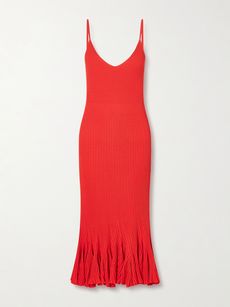 PROENZA SCHOULERGiuditta flared ribbed-knit midi dress€1,194.00View Product DetailsSelect a Sizex small - out of stocksmall - out of stockmedium - out of stocklarge
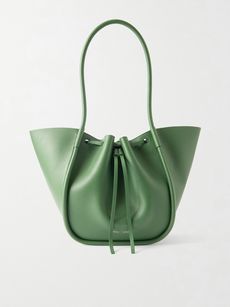 PROENZA SCHOULERLarge ruched textured-leather tote
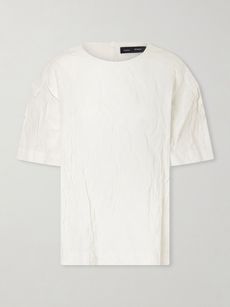 PROENZA SCHOULERHansly crinkled-twill T-shirt€345.00View Product DetailsSelect a Size0 - out of stock2 - out of stock4 - out of stock68 - out of stock1012 - out of stock
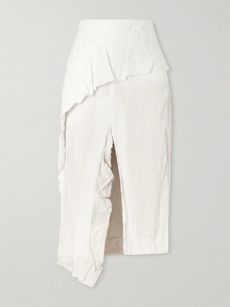 PROENZA SCHOULERHansly crinkled-twill midi skirt€575.00View Product DetailsSelect a Size0 - out of stock2 - out of stock4 - out of stock6 - low stock8 - out of stock10 - out of stock12
Givenchy: Sarah Burton
Résumé: British designer Sarah Burton spent 27 years at McQueen. She first joined the house as an intern in 1996 and ultimately became Lee McQueen’s right-hand woman – and, therefore, his natural successor, following his tragic death in 2010. Now, she’s followed in his footsteps once more as the creative director of Givenchy.
Known for: Romantic tailoring and intricate craftsmanship.
The collection: “I think she makes the industry a more meaningful place,” says 72 Magazine fashion critic Anders Christian Madsen. “I was blown away by her cutting in the spring/summer 2026 show – she cuts with pure emotion… I think she’s creating an authentic, sensitive and elegant wardrobe that you actually want to wear.”
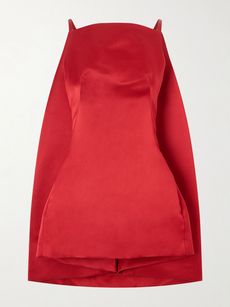 GIVENCHYCape-effect silk-satin mini dress€1,950.00View Product DetailsSelect a Size3436 - out of stock38 - out of stock40 - out of stock42 - out of stock
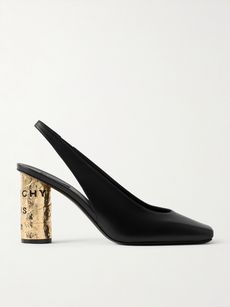 GIVENCHYTape leather slingback pumps€534.00View Product DetailsSelect a Size36 - low stock3738 - out of stock39 - out of stock40 - out of stock41 - out of stock
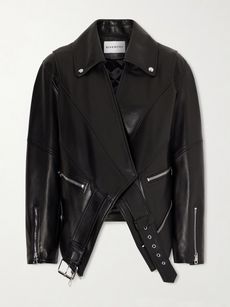 GIVENCHYAsymmetric paneled leather jacket
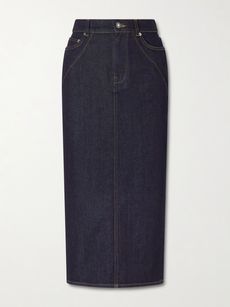 GIVENCHYPaneled denim midi skirt€480.00View Product DetailsSelect a Size34 - out of stock36 - low stock3840 - out of stock4244 - out of stock
Balenciaga: Pierpaolo Piccioli
Résumé: Roman designer Pierpaolo Piccioli cut his teeth at Brunello Cucinelli and Fendi. In 1999, he and Maria Grazia Chiuri joined Valentino Garavani to design accessories, then ascended to co-creative directors and, in 2016, Piccioli took on the role alone when Chiuri departed to Dior.
Known for: Color and romance. Fans of Piccioli are eager to see how he incorporates his unique eye for color, as well as conjuring the kind of show-stopper gowns that drew women like Meghan, Duchess of Sussex and Anne Hathaway to his Balenciaga front row.
The collection: His spring 2026 collection was sensitive to his predecessors – chief among them Cristóbal Balenciaga himself – and paid homage to the house’s existing architectural design codes while steering it in a softer, more romantic direction. “One of the things Pierpaolo Piccioli has always brought to fashion is his unmistakable sense of emotion; you feel his clothes as much as you see them,” says Kenya Hunt, editor-in-chief of Elle UK. “The raucous standing ovation at the end of the show was a real testament to this.”
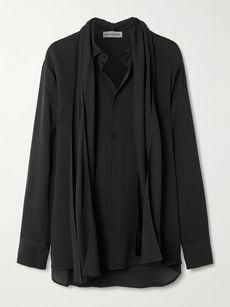 BALENCIAGAScarf-detailed silk-georgette shirt
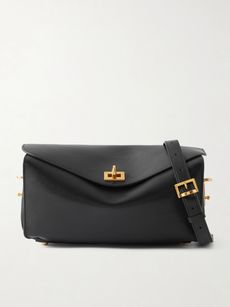 BALENCIAGAParis VII leather shoulder bag
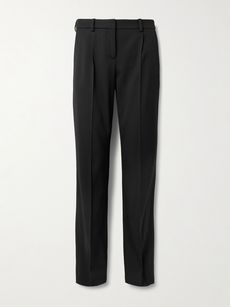 BALENCIAGAPleated stretch-wool straight-leg pants€1,100.00View Product DetailsSelect a Size34 - out of stock36 - low stock38 - low stock40 - out of stock
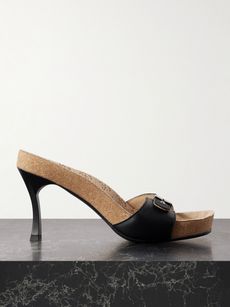 BALENCIAGA+ Scholl embellished leather mules€432.00View Product DetailsSelect a Size3637 - out of stock38 - out of stock39 - out of stock40 - out of stock
Calvin Klein Collection: Veronica Leoni
Résumé: There is a sizeable expectation placed on anyone who has worked at Jil Sander, The Row or Celine, let alone all three. Roman designer Veronica Leoni’s background makes her the perfect choice to take the helm at Calvin Klein Collection.
Known for: Sculptural minimalism and understated elegance.
The collection: “My goal has been to channel the original elegance and sophistication that Mr Klein delivered in his time with the brand – focusing on the craft, shape and texture,” says Leoni, whose appointment made her the brand's first ever female creative lead. She views the white pinafore dress, the tailoring with bralettes peeking out, and the leather slip from her SS26 collection as the clearest expressions of her evolving vision. “[They are] completely reduced to their essence with strong craft.”
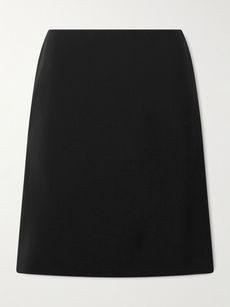 CALVIN KLEIN COLLECTIONLuna satin skirt€450.00View Product DetailsSelect a Size36 - out of stock40 - out of stock42 - out of stock44 - out of stock46 - out of stock
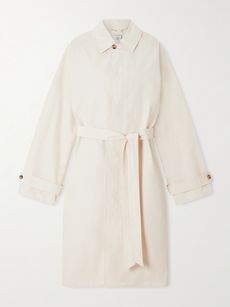 CALVIN KLEIN COLLECTIONMarisol cotton-blend coat€440.00View Product DetailsSelect a Size36 - out of stock38 - out of stock40 - out of stock42 - out of stock44 - out of stock46 - out of stock
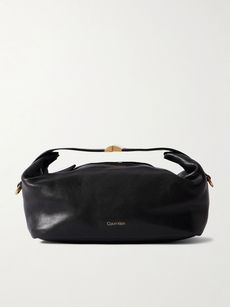 CALVIN KLEIN COLLECTIONAndy small leather clutch
Dries Van Noten: Julian Klausner
Résumé: It’s never easy stepping into a legendary designer’s shoes, especially those of the brand’s namesake founder. But Belgian designer Julian Klausner – who joined Dries Van Noten as a womenswear designer in 2018 and soon became a trusted partner to Van Noten – won over diehard Dries customers and fashion critics alike with his debut.
Known for: Artistic use of color and expressive storytelling.
The collection: Klausner’s collections respect Van Noten’s signature intellectualism, while confidently presenting in his own vision – one defined by a vibrant and youthful spirit. “Approaching this collection, I had in mind the Dries Van Noten wardrobe that I always loved – traditional yet daring,” says Klausner of his first collection for men’s spring/summer 2026. “The different layers of dressing up… The silhouette takes on a new life.” His spring 2026 women’s debut continued this momentum, as Klausner injected joy and optimism through bright colors and graphic patterns.
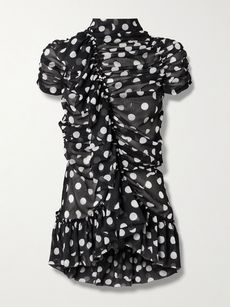 DRIES VAN NOTENRuffled polka-dot crepon blouse€697.00View Product DetailsSelect a Size34 - out of stock36 - out of stock38 - out of stock40 - out of stock42 - out of stock44
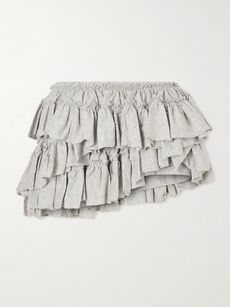 DRIES VAN NOTENAsymmetric ruffled cotton-jersey shorts€382.00View Product DetailsSelect a Sizex small - out of stocksmall - out of stockmedium - out of stocklarge - out of stock
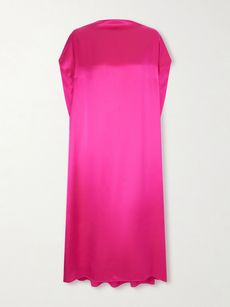 DRIES VAN NOTENSilk-satin midi dress
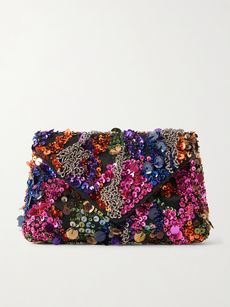 DRIES VAN NOTENSequin and bead-embellished satin clutch
Tom Ford: Haider Ackermann
Résumé: Colombian-born, Paris-based designer Haider Ackermann launched his own brand in 2002 and was also the creative director of Berluti from 2016 to 2018. Currently, he is the creative director of Canada Goose and Tom Ford.
Known for: Sensual draping and rich color palettes.
The collection: “Desire is ingrained in the spirit of this house,” writes Haider Ackermann on his SS26 collection for Tom Ford. Ackermann’s tenure at the brand thus far has been lauded for bringing sexiness and a cinematic feel back to Tom Ford. “This collection is woven with desire,” continues the designer, who showed slinky dresses with plunging necklines and languid tailoring that held all the hallmarks of his own brand. It was very much about the tease of concealing and revealing: “Skin that flashed through slits or appears through lace, a metal ring on a pair of sandals, a leather bra that [plays] peek-a-boo.” It’s a timeless look that also chimes perfectly with our obsession with everything from the early 2000s, not least Tom Ford’s earliest collections.
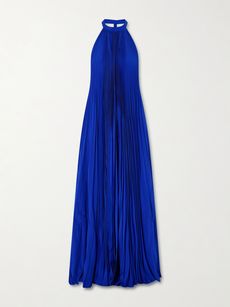 TOM FORDPlissé silk crepe de chine halterneck gown
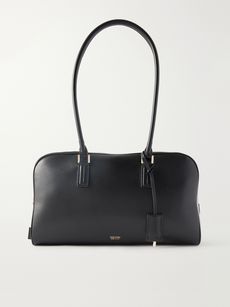 TOM FORDLeather shoulder bag
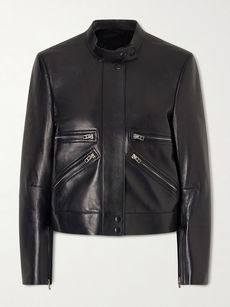 TOM FORDLeather biker jacket
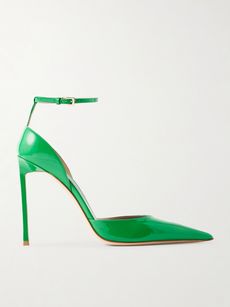 TOM FORDPatent-leather pumps€594.00View Product DetailsSelect a Size36 - out of stock37 - out of stock37.5 - out of stock3838.5 - out of stock39 - out of stock39.5 - out of stock4040.541 - out of stock41.5 - out of stock42 - out of stock
Gucci: Demna
Résumé: Having disrupted the luxury fashion industry with his directional, collective-designed brand Vetements and going on to relaunch Balenciaga’s couture collection, the Georgian designer has now taken the reins at Gucci.
Known for: Directional and conceptual designs.
The collection: Following his ‘La Famiglia’ of Gucci archetypes for spring/summer ’26, Demna’s runway debut took place in February and signaled his intentions to take Gucci back to its sensual, Tom Ford-era glory with second-skin silhouettes, filtered through his signature subversive lens. “He has mastered the art of equally respecting and subverting a legacy house,” says fashion editor Pierre A. M’Pelé. “What’s expected now is for him to build into that heritage and add his own flair to it… His ability to capture the zeitgeist and turn it into something tangible is evident.”
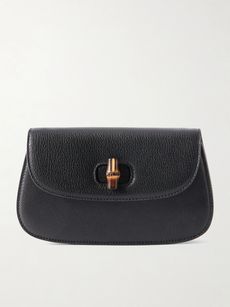 GUCCIBamboo 1947 textured-leather clutch
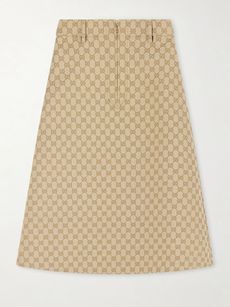 GUCCICanvas-jacquard skirt€1,600.00View Product DetailsSelect a Size384042 - out of stock44 - out of stock46 - out of stock48 - out of stock
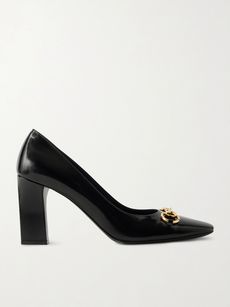 GUCCISignora horsebit-embellished glossed leather pumps€920.00View Product DetailsSelect a Size34353636.53737.53838.539 - low stock39.5 - low stock40 - low stock40.541
Isabel Marant: Kim Bekker
Résumé: Dutch designer Kim Bekker’s first stint at Isabel Marant was from 2008 to 2018, and she then went to work at Saint Laurent. She returned to the brand in 2021 and served as Marant’s right-hand woman for four years before taking over the creative reins. Marant remains at the company, working three days a week.
Known for: Modern femininity.
The collection: “Being asked by Isabel to step into the creative director role was deeply emotional for me. Isabel has always led with instinct, freedom and a very precise sense of womanhood, and being trusted to carry that forward is both an honor and a responsibility I don’t take lightly… My goal is to protect that spirit while allowing it to breathe and evolve in a way that feels relevant today.” She points to certain silhouettes that signify this subtle shift: “The softer, almost undone tailoring… The light feminine knit dresses in earthy tones with the crafted embroidery also feel important. They’re sensual but effortless, the kind of pieces that move with the woman rather than define her. That idea of freedom is central to my vision.”
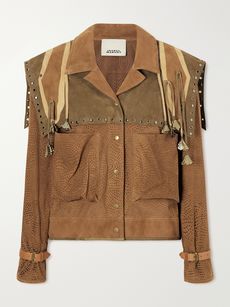 ISABEL MARANTKayae embellished perforated suede jacket€1,710.00View Product DetailsSelect a Size34 - out of stock36 - out of stock38 - out of stock40 - out of stock42 - out of stock
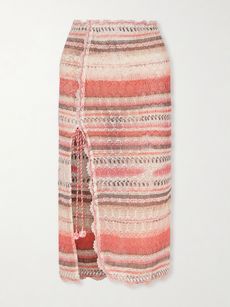 ISABEL MARANTNoryane crocheted cotton-blend midi skirt€330.00View Product DetailsSelect a Size34 - out of stock36 - out of stock38 - out of stock4042 - out of stock
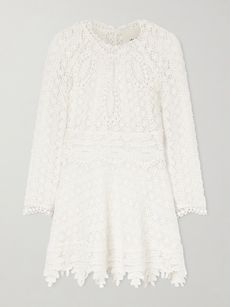 ISABEL MARANTHizene cotton-guipure lace mini dress
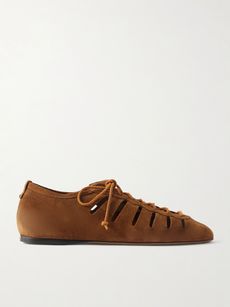 ISABEL MARANTLeyza cutout suede sneakers€354.00View Product DetailsSelect a Size3637 - out of stock38 - low stock39 - out of stock40 - out of stock41 - out of stock
Jean Paul Gaultier: Duran Lantink
Résumé: At his eponymous brand, Dutch designer Duran Lantink worked with high-profile clients from Beyoncé to Billie Eilish. Lantink gained recognition for upcycling vintage and deadstock garments from brand such as Prada and Richard Quinn. Then, in 2025 he was appointment as creative director of Jean Paul Gaultier, ending the brand’s guest designer era.
Known for: Considered, irreverent and surreal yet striking designs.
The collection: “Growing up, I watched people transform at night, becoming bolder, stranger, more alive – and that energy stayed with me… the same spirit that pulsed through Amsterdam’s Roxy [nightclub] before it burned down in 1999. Jean Paul Gaultier has always stood for that fearless self-expression. For my debut, I wanted to twist the familiar, distort the silhouette, and bring back that club-soaked energy. It’s a resurrection with a new heartbeat.”
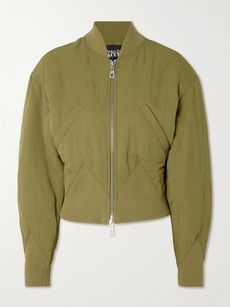 JEAN PAUL GAULTIERPaneled quilted recycled-shell bomber jacket€516.00View Product DetailsSelect a Sizexx small - out of stockx smallsmall - low stockmedium - out of stocklarge - out of stock
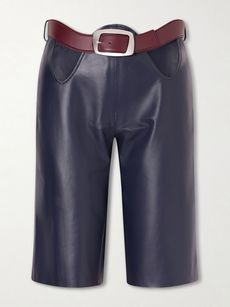 JEAN PAUL GAULTIERBelted cut-out leather shorts€645.00View Product DetailsSelect a Size34 - out of stock36 - out of stock38 - out of stock40 - out of stock42 - out of stock
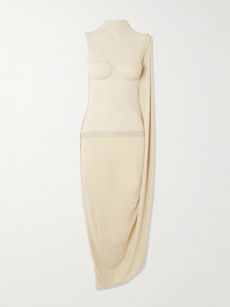 JEAN PAUL GAULTIERAsymmetric draped appliquéd mesh and stretch-jersey dress
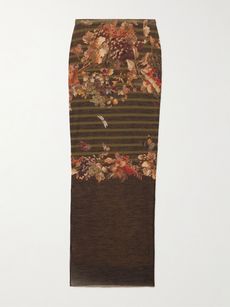 JEAN PAUL GAULTIERMarinière Grape printed mesh skirt€195.00View Product DetailsSelect a Sizexx small - out of stockx small - out of stocksmall - out of stockmedium - low stocklargex large - low stock
Jil Sander: Simone Bellotti
Résumé: Simone Bellotti began his career at A.F.Vandevorst in Antwerp, going on to hold senior design roles at brands including Dolce&Gabbana, Bottega Veneta and Gianfranco Ferré, as well as spending 16 years at Gucci under both Frida Giannini and Alessandro Michele. In 2022, he joined Bally and fresh from his turnaround of the brand – where his collections gained commercial buzz and became aspirational wardrobe essentials – Bellotti was tapped for the creative director role at Jil Sander.
Known for: Precision tailoring and a modernist eye.
The collection: His Milan Fashion Week debut in September received favorable press, with Jo Ellison, editor of HTSI, describing it as “a tight edit of simple yet elevated separates for women and men that cleaved to the brand’s minimal codes, while adding sensual touches. It was a standout in a season of competing designer debuts.” His fall outing included everything we’ve come to expect from the Italian designer, with an added sensuality that is sure to appeal beyond Bellotti’s established fan club of IYKYK fashion insiders.
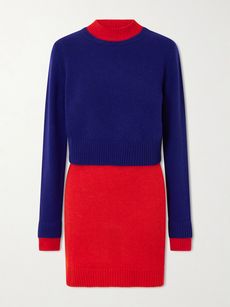 JIL SANDERTwo-tone layered wool-blend mini dress
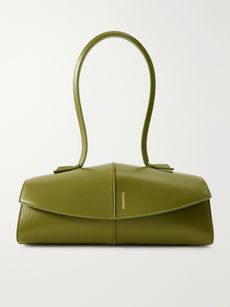 JIL SANDERLinea leather shoulder bag
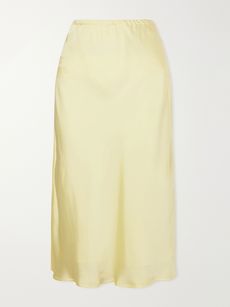 JIL SANDERSatin midi skirt€534.00View Product DetailsSelect a Size34 - out of stock36 - out of stock38 - out of stock40 - out of stock42 - out of stock
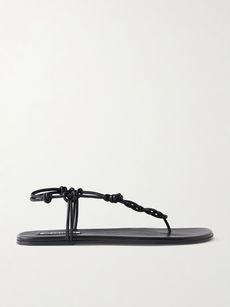 JIL SANDERBraided leather sandals€375.00View Product DetailsSelect a Size36.537 - out of stock37.5 - out of stock38 - out of stock38.5 - out of stock39 - out of stock39.5 - out of stock40 - out of stock41 - out of stock
Loewe: Jack McCollough and Lazaro Hernandez
Résumé: Partners in life and work, Jack McCollough and Lazaro Hernandez co-founded Proenza Schouler in 2002 and steadily built a highly successful independent brand. The duo filled Jonathan Anderson’s shoes at Loewe, after he decamped to Dior.
Known for: A sophisticated approach to craft, blended with a Californian cool-girl vibe.
The collection: For spring/summer ’26, they presented a chic sportif collection with an effortlessness that belied the unbelievable level of skill behind it – see, for example, the sculptural heat-sealed leather jackets, jeans made from shredded leather and towel dresses cut from 3D-printed fabric.
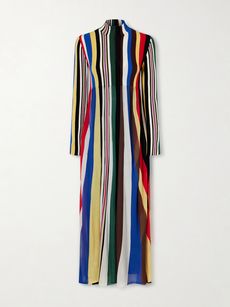 LOEWEStriped chiffon and ribbed jersey maxi dress
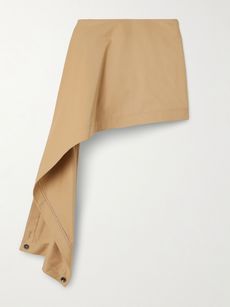 LOEWEAsymmetric cotton and silk-blend mini skirt€1,200.00View Product DetailsSelect a Size34 - low stock36 - out of stock38 - out of stock40 - low stock4244 - out of stock
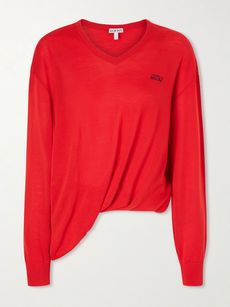 LOEWEAsymmetric draped embroidered wool-blend sweater
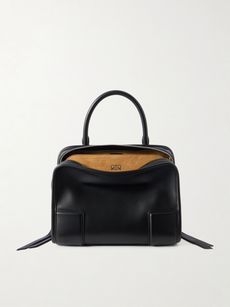 LOEWEAmazona 180 leather shoulder bag
Valentino Garavani: Alessandro Michele
Résumé: Roman designer Alessandro Michele started out at Italian knitwear brand Les Copains and Fendi before Tom Ford hired him to design bags for Gucci in 2002, where he went on to take the top job as creative director. After a highly successful seven years at the helm (and over 20 designing for the house in total), Michele moved to Valentino Garavani in 2024.
Known for: Maximalism and intellectual storytelling.
The collection: Michele’s spring ’26 collection debuted at Paris Fashion Week, where he infused the brand with his signature vintage-feel fabrics and silhouettes. “I think there is a respect for the heritage of the house. You see it through the way he works with lace, with bows… It is punctuated in the accessories,” says fashion writer Susie Lau on Michele’s move to Valentino Garavani. “He’s a disruptor, the way he stages his shows – and particularly with the [recent] couture one. It really made you think; it made you look at clothes differently.”
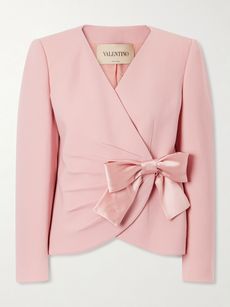 VALENTINO GARAVANIBow-detailed gathered satin-trimmed wool-crepe jacket€1,750.00View Product DetailsSelect a Size36 - out of stock38 - out of stock40 - out of stock4244 - out of stock46 - out of stock
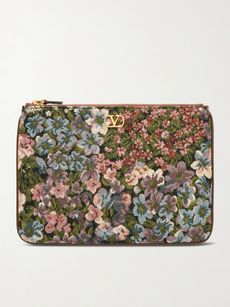 VALENTINO GARAVANIVLogo medium leather-trimmed floral-jacquard canvas clutch
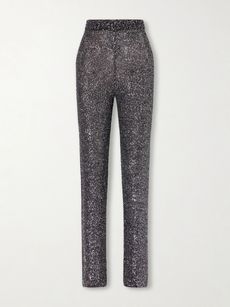 VALENTINO GARAVANISequined knitted straight-leg pants€950.00View Product DetailsSelect a Sizexx small - out of stockx small - out of stocksmallmedium - out of stocklarge - out of stockx large - out of stock
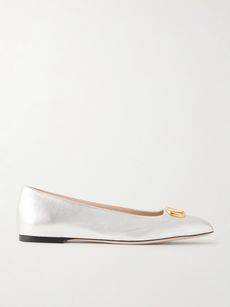 VALENTINO GARAVANIVLogo metallic leather ballet flats€375.00View Product DetailsSelect a Size36 - out of stock3738 - out of stock39 - out of stock40 - out of stock41 - out of stock42 - out of stock
Maison Margiela: Glenn Martens
Résumé: Belgian designer Glenn Martens worked at Jean Paul Gaultier before launching his namesake brand in 2012. He went on to lead the design at Y/Project and Diesel before joining Maison Margiela in 2025.
Known for: Directional silhouettes and technical expertise.
The collection: For his spring/summer ’26 show at Maison Margiela, Glenn Martens honored the house’s founder with an adorable children’s orchestra to soundtrack the show. It was considered a nod to Margiela’s spring/summer 1990 show, for which the sartorial maverick commissioned local elementary students to create show invitations and then reserved the front row for them. The rest of the collection threaded together other tributes, including the four-stitch label, and telegraphed the artistic synergies between Martens and Margiela. “I would love to see Glenn dig into his ideas around dressing and deconstruction, which I feel are clear tenants of design at the house,” says fashion critic Rian Phin. “I’m so interested in his vision at Maison Margiela and where he sees overlap aesthetically.”
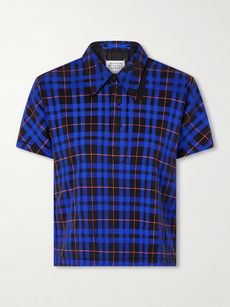 MAISON MARGIELAChecked twill polo shirt€248.00View Product DetailsSelect a Sizex smallsmall - low stockmedium - out of stocklarge - out of stock
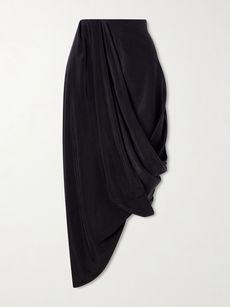 MAISON MARGIELAAsymmetric gathered satin midi skirt€594.00View Product DetailsSelect a Size38 - out of stock40 - out of stock4244 - low stock46 - out of stock
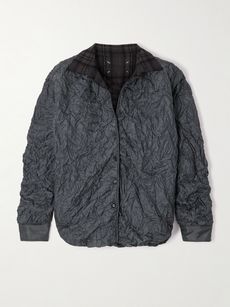 MAISON MARGIELAPadded wool-trimmed quilted crinkled shell jacket€537.00View Product DetailsSelect a Size36 - out of stock38 - out of stock40 - out of stock42 - out of stock44 - out of stock
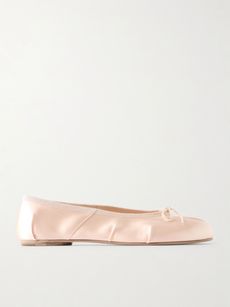 MAISON MARGIELATabi split-toe satin ballet flats€644.00View Product DetailsSelect a Size35 - out of stock35.5 - out of stock36 - out of stock36.5 - out of stock37 - out of stock37.5 - out of stock38 - out of stock38.5 - out of stock39 - out of stock39.5 - out of stock40 - out of stock40.5 - out of stock41 - out of stock
