Beyond Bouclé: The New Textures Defining Interiors
The once ubiquitous cream bouclé is beginning to lose its grip on the interiors world. In its place, a richer palette, more material interplay and an assortment of textures that still invite you to feel. By NATASHA BIRD
A scallop-backed bouclé armchair atop a shaggy cream rug. Bouclé pouffes against a canvas of similarly milky beige. Bouclé headboards, footrests and even bouclé walls. For a while there, we were immersed in inescapable bouclé abundance, so popular had the fabric become.
Soft, tactile and reassuringly neutral, it’s easy to see what made it so moreish. It felt both classy and comforting, at a moment when many of us were craving exactly that. With such oversaturation, though, it became shorthand for an offputtingly omnipresent Instagram aesthetic. And while we might still love it, it’s time to step beyond.
“While I appreciate its tactile quality, I’ve reached a point where it feels overused,” says interior designer Katie Harbison. “The issue isn’t the material itself so much as its ubiquity. It’s lost any individuality.”
“For a number of years, there was a tendency towards highly curated, minimalist interiors that photographed beautifully but often felt somewhat anonymous,” she explains. “Now I’m seeing clients become much more interested in creating homes that reflect their personalities, histories and lifestyles.”
Color is returning. Antiques are finding their way back into contemporary homes. People are becoming less concerned with aesthetic perfection and more interested in telling a story, even if that story is that a family with children could never hope to keep a cream bouclé sofa in stain-free nick.
So, if bouclé is waning, what are the new materials and textures on the rise in contemporary living?
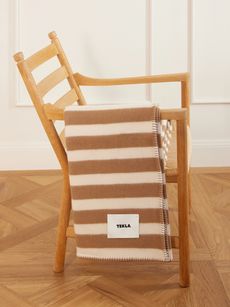 TEKLAStriped wool blanket
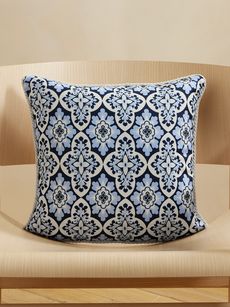 LA DOUBLEJPrinted woven cushion
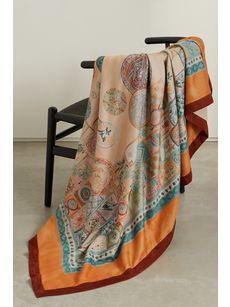 LORO PIANASuede-trimmed brushed cashmere throw
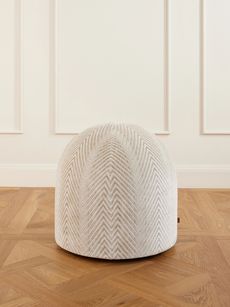 MISSONI HOMEZiggy striped velvet pouf
“The most interesting rooms are often those where contrasting textures sit comfortably alongside one another”Interior designer Katie Harbison
The new textiles
As a baseline, Harbison favors linen and cotton velvet. Linen, she says, brings “a relaxed elegance and an honesty” that softens a space without it feeling overly precious. Cotton velvet, particularly in rich, saturated hues, introduces depth through the way it absorbs and reflects light.
Susana Simonpietri, founder and creative director of interiors studio Chango, likes to opt for other materials with a clearly visible grain, such as luxurious mohair and tweedy wools: a sophisticated alternative to bouclé with a similar tactile quality.
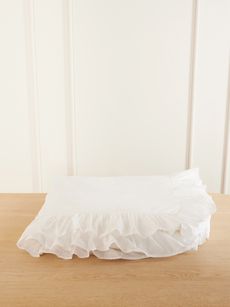 TEKLAElodie ruffled organic cotton-percale queen duvet cover
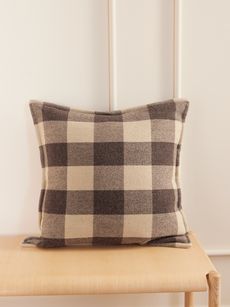 RALPH LAUREN HOMEJoshua checked wool cushion
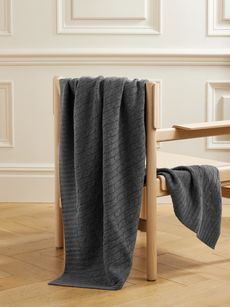 RALPH LAUREN HOMECable-knit cashmere blanket
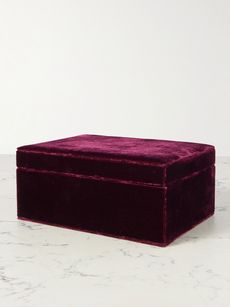 SOPHIE BILLE BRAHETrésor Grande velvet jewelry box
Material interplay
Beyond just these rough-to-touch textiles, the other thing on the rise in 2026 is a focus on the interplay between material finishes and the structures they attach to or sit next to. Reclaimed timber, aged stone, unlacquered brass and hand-finished plaster are all gaining in popularity and look great next to mohair, wool, velvet and linen.
“The most interesting rooms are often those where contrasting textures sit comfortably alongside one another,” says Harbison.
Increasingly, designers are also gravitating towards materials and finishes that reveal the hand of the maker. Harbison points to lime-based wall finishes, traditional decorative painting techniques and bespoke upholstery as examples of craftsmanship that introduce variation, depth and a dose of pizzazz.
“I’m interested in any technique that leaves evidence of the maker’s hand and creates a sense of individuality,” she says. “Celebrating materials for their inherent beauty rather than trying to disguise them.”
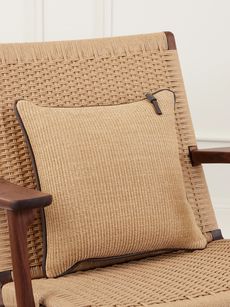 BRUNELLO CUCINELLIRaffia-effect cushion
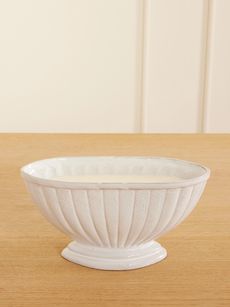 ASTIER DE VILLATTETucson scented candle, 700g
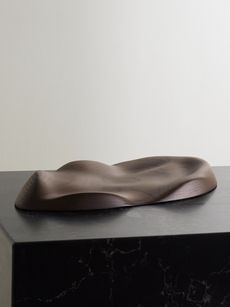 FOURTH STREETRipple large wood catchall
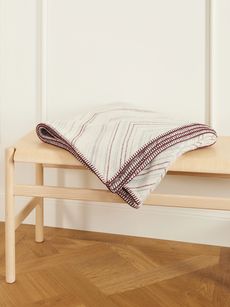 MISSONI HOMEStriped wool and cashmere-blend throw
“Tactility is what transforms a room from something you simply look at into something you experience”Interior designer Katie Harbison
Move over marble
Marble remains another of our enduring fascinations. It’s closely associated with prim perfection, yes, but there’s also pleasure in the artistry involved in selecting, cutting, bookmatching and finishing each slab. But if marble feels too commonplace, we’re seeing something else peeping through.
There’s growth in handmade ceramic surfaces, as homeowners search for objects that feel bespoke, joining a swelling anti-mass-production movement.
Simonpietri is currently incorporating custom ceramic details into a project in Ojai, California, from tile-inlaid furniture to bespoke ceramic hardware and artwork.
While trend cycles inevitably come and go, materials with genuine character are what tend to endure. The focus, she believes, is shifting away from novelty and towards longevity.
“Tactility is what transforms a room from something you simply look at into something you experience,” Harbison explains. “We respond to texture instinctively. It creates warmth, comfort and a sense of connection.”
One of her favorite projects was a period home, with parquet flooring sitting alongside linen drapery, cotton velvet upholstery, marble accents, aged brass hardware and limewashed walls. The palette was still restrained, but the interplay of textures created a space that felt warm, inviting, cosseting and memorable.
Bouclé may not be gone for good, but its reign as the defining symbol of contemporary interiors appears to be over. In its place, we’re seeing textures that still coddle – the invitation to touch and feel remains – but which are richer, more sumptuous, lived-in and, above all, full of unique personality.
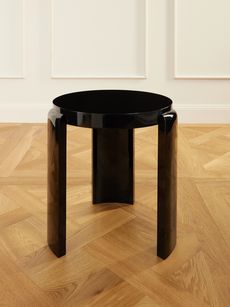 LOUISE ROESpina beechwood stool
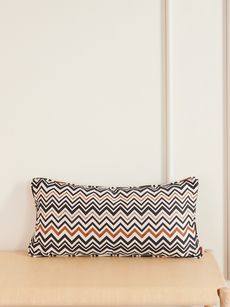 MISSONI HOMEBelfast striped terry cushion
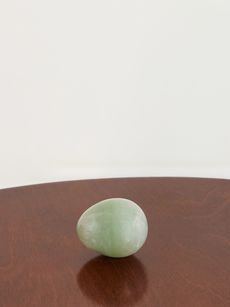 FOURTH STREETEgg aventurine paperweight
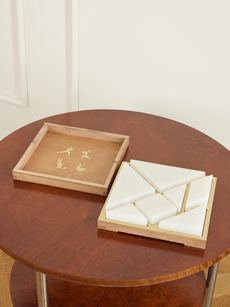 BRUNELLO CUCINELLIWood and onyx Tangram game
