7 Skincare Trends For 2026 That Will Transform Your Regimen Forever
From longevity science to AI-led routines and an emphasis on emotional beauty, skincare in 2026 is smarter – and more intentional – than ever. Here, MALENA HARBERS breaks down the seven shifts that are shaping how we’ll care for our skin this year
Strong, resilient, glowing skin like actor Camila Morrone’s is always on trend, but this year marks a turning point for how to achieve it: quick fixes are out and long-term skin health is in, thanks to longevity-led science and regenerative formulas – two of skincare’s biggest buzz phrases for 2026. Add to that a growing recognition that emotional wellbeing is central to how skin functions, alongside the rise of GLP-1 medications pushing prevention, resilience and barrier-led thinking to the forefront. At the same time, AI-powered routines are delivering hyper-personalized precision. Together, these are the seven trends you need to know for skin that feels stronger, functions better and looks healthier – now and in the future.
Skin longevity replaces anti-aging
“We’re moving away from the language of anti-aging towards skin longevity, focusing less on correcting visible signs and more on protecting skin function at a cellular level,” says London-based cosmetic dermatologist Dr. Sam Bunting. “Instead of waiting for wrinkles or pigmentation to appear, we’re addressing root causes, such as NAD⁺ depletion, mitochondrial decline and the build-up of senescent cells that drive inflammation and accelerate aging.” Board-certified cosmetic dermatologist Dr. Dendy Engelman is seeing the same shift in her New York clinic. “Patients are investing more in long-term skin health rather than quick fixes,” she says. “These longevity-based aesthetics, which focus on cellular repair, mitochondrial health and protection against oxidative stress, ultimately build resilience and elasticity over time.”
All the experts we spoke to agree that this marks just the beginning of a longevity-first mindset to skin health, with a whole-body approach defining the future. Already, a growing wave of dedicated longevity clinics have opened – including the recently launched Reborne Longevity and Sarah Chapman Clinic’s Longevity division, both in London – blending advanced diagnostics, regenerative medicine and aesthetics to reframe skin health. “Treatment plans will increasingly be customized to genetics, ethnicity and lifestyle, not age,” says Professor Dr. Milvia Di Gioia of Reborne Longevity. “Personalized protocols that factor in hormones, nutrition and overall health will define next-generation skin health.”
Regenerative ingredients and treatments go mainstream
This shift towards skin longevity is fueling a new wave of formulas designed to support cellular health. “They’re enhancing – not replacing – tried-and-trusted skincare pillars, such as sunscreen and retinoids,” stresses Dr. Bunting. In-clinic, the same thinking is driving a growing demand for biostimulatory treatments. “My patients are increasingly seeking treatments that strengthen the skin’s natural ability to regenerate,” says A-list facialist Keren Bartov, whose clients include red-carpet regulars Sienna Miller, Julia Roberts, Demi Moore and Lily Collins. “Encouraging the skin to produce its own collagen, elastin and hyaluronic acid is now considered the gold standard for resilient skin that ages well.” According to Dr. Engelman, so far, these treatments have had impressive results: “Biologic therapies such as exosomes, growth factors, biostimulators, platelet-rich fibrin (PRF) and stem-cell derivatives have already demonstrated promising results in improving skin from within – and it’s only going to expand.” At the forefront are exosomes, with plant-based or lab-synthesized variations used in skincare (such as in Dr. Barbara Sturm’s coveted Exoso-Metic Face Serum) and with microneedling. “They act as powerful messengers between cells,” explains Bartov, “helping tired or aging skin behave in a healthier way.” Equally, demand for polynucleotides and PDRN (polydeoxyribonucleotides derived from salmon DNA) is high. “PDRN, for instance, was the most requested treatment in our London clinic last year,” she notes, “with demand continuing to rise.”
The new skin priorities in the age of Ozempic
With the use of GLP-1 medications showing no signs of slowing down, dermatologists are seeing a notable shift in skincare priorities as a result. Rapid weight loss can lead to facial volume depletion, reduced elasticity and increased dryness, often referred to as ‘Ozempic face’. “These changes aren’t caused by the medication itself,” explains leading cosmetic doctor Dr. Anne Mendelovici, “but by the speed of fat loss and the skin’s reduced ability to adapt.” As a result, routines are becoming more preventative and focused on strengthening. “There’s been a clear increase in demand for elasticity-supporting and collagen-boosting treatments,” says Dr. Engelman. “Barrier-supporting ingredients, red-light therapy and biostimulatory treatments are increasingly used before and during GLP-1 weight loss to help maintain facial structure.” Ceramides, lipid-rich moisturisers, peptides and antioxidants are now essential, with retinoids remaining a cornerstone for staving off the signs of skin aging and a vitamin C serum key for supporting radiance and resilience. The focus, stresses Dr. Mendelovici, lies in strengthening skin so it can better withstand structural change, rather than overcorrecting with filler after facial volume is already lost.
Fewer products, better results
Call it a considered routine or skin-streaming 2.0 – however you view it, the minimalist skincare trend is once again back in the spotlight for 2026, with a focus on proven formulas that work harder. “People want fewer products that do more,” says Dr. Bunting. “Data-backed actives in elegant, easy-to-use formulas are winning because they fit real life.” Dr. Engelman agrees: “My clients are abandoning complex routines in favor of streamlined essentials paired with high-performance boosters,” she says. “It’s easier to stay consistent, reduces irritation from over-layering and allows people to adjust intensity based on their skin’s needs.”
“In the morning, this typically involves cleansing, applying a vitamin C serum to dry skin, and finishing with a moisturizer that includes broad-spectrum sun protection, ideally SPF50,” says Dr. Mendelovici. “In the evening, the focus shifts to cleansing, applying retinoids to dry skin, and sealing in the routine with a moisturizer.” What’s more, Dr. Mendelovici stresses that time efficiency, sustainability and ease of use are becoming just as important as efficacy. “At the same time, social media, digital content and greater brand transparency are educating consumers more than ever before, raising expectations and encouraging more informed skincare choices.”
AI-powered personalization
Artifical Intelligence is enabling unprecedented levels of skincare customization. “AI can recommend custom routines that adapt as your skin changes, from analyzing skin images and lifestyle data to tracking progress over months. It also allows brands and clinics to create tailored formulations or treatment plans that are far more precise than anything we’ve ever had before,” says Dr. Engelman. Although she notes that it’s important to be aware that there are some pitfalls, however easy this technology makes achieving our skin goals IRL. “AI makes it easy to imagine unrealistic results from treatments and surgeries – not to mention that it can propagate unrealistic beauty standards.” Dr. Bunting stresses that, at the moment, AI works best as a supportive tool alongside professional guidance.
The rise (and rise) of barrier care
If there’s one area all the experts we spoke to agreed on, it’s the importance of barrier health. “Everything works better when your skin barrier is happy,” says Dr. Bunting. According to Dr. Engelman, there’s a growing awareness around microbiome diversity when it comes to tackling skin concerns, such as acne, rosacea and sensitivities. “Over-cleansing and over-exfoliating disrupt the skin barrier and microbiota, leading to sensitivity and inflammation,” she explains. “Barrier- and microbiome-supporting products are essential for long-term resilience, especially for those with sensitive or compromised skin.” Think of gentle textures, lipid-rich formulas and microbiome-supporting ingredients as the foundations of any effective good-skin routine.
Emotional beauty and the power of a ritual
Perhaps the most meaningful trend this year is emotional beauty, where skincare is being recognized not just for its clinical efficacy, but for its impact on wellbeing. “Skincare rituals can genuinely help regulate stress, which directly affects the skin barrier,” says Bartov. “Texture, scent and the experience itself all matter.” Take Jo Malone London’s new Roman bath-inspired Care Collection range, rooted in neurosensorial science, with each product designed to elicit a positive emotional response. The Enrich Body Balm, with its cocooning texture, and the Restore Body Oil, which leaves skin luminous and comforted, are particularly pleasurable to use. “Emotional beauty isn’t just aromatherapy, it’s the act of taking time to care for yourself,” says Dr. Engelman. “That moment of pause, combined with visible results, boosts confidence and overall wellbeing.” In her clinic, Dr. Bunting encourages patients to treat cleansing as a mindful ritual, pairing skincare with breathwork to calm the nervous system. “When skin is healthy, confidence naturally follows,” affirms Bartov.
NEW-SEASON ESSENTIALS
6 items
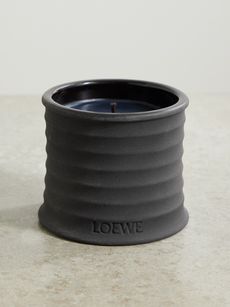 LOEWE PERFUMESDendrochilum Magnum Orchid small scented candle, 170g
 MANOLO BLAHNIKGambis 90 calf hair animal-print pumps$777.00View Product DetailsSelect a Size3536 - low stock36.5 - out of stock37 - out of stock37.5 - out of stock38 - out of stock38.539 - out of stock39.5 - out of stock40 - out of stock40.54141.542
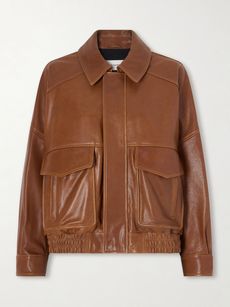 NOUR HAMMOURRuna paneled leather bomber jacket$1,302.00View Product DetailsSelect a Sizex small - out of stocksmall - out of stockmedium - out of stocklargex large
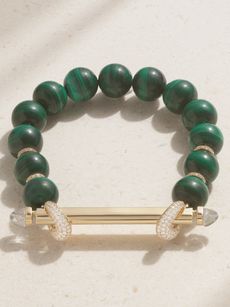 ANANYAJumbo Chakra 18-karat gold multi-stone bracelet
RELATED READING
The person featured in this story is not associated with NET-A-PORTER and does not endorse it or the products shown