The Art of Rotation
Curating the perfect artworks for our homes can leave many unable to find pieces that they are truly happy with. Enter the art of rotation, the new interior order that’s elevating our spaces and alleviating our indecision. By NATASHA BIRD
A huge, romantic and beautifully textured Cecily Brown hangs over the mantelpiece, its burnt sienna and raw violet umbers emanating out, informing the material palette of the room. The one heroic piece around which everything else has been dutifully designed, lit and upholstered. Or at least, this used to be the dominant mindset around displaying collectors’ pieces in the home.
A more dynamic philosophy is on the rise, though, with a much less static or time-locked approach to incorporating art into our personal living spaces. The ‘art of rotation’ encourages us to see domestic walls as we might view gallery spaces, prime for limited-run exhibitions – allowing for shifting energy and for our favorite pieces to swoop in and out again, as the mood dictates.
“The dilemma of collecting art for the home has always been that you want it to be the right size and right medium for the space,” says David Knowles, founder and creative director at elite art consultancy Artelier. “Then you put it there and you feel committed to keeping it there for a long time.”
The beauty, he says, in being open to making changes, is that it can alter the whole aura of your surroundings. “You might switch up one piece in the room,” he continues, “but all of a sudden, it’s sending everything off into a different direction. It also breathes new life into the other pieces around it.”
A new interiors philosophy
For previous generations, the relationship between art and a home’s interior design was governed by two clear schools of thought. A room was either arranged around key pieces, or art was acquired to complete a space, in accordance with a scheme.
“We’ve certainly all moved away from valueless decor art,” says Knowles. “We’re taking away the practicalities of filling a space.”
And when it comes to the philosophy around displaying high-value collection pieces, he encourages his clients not to “hold back” on collecting art that moves and excites them, because they can “work out where to put it later.”
“There are so many incredible artists whose stories deserve to be told,” adds Patrick McCrae, co-founder and chairman at art agency Artiq. “If we’re not thinking about a piece being there forever, it allows people to be more risky and adventurous.”
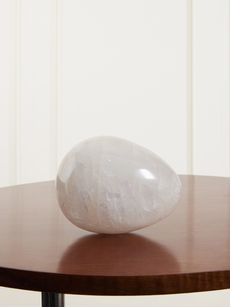 FOURTH STREETEgg quartz paperweight
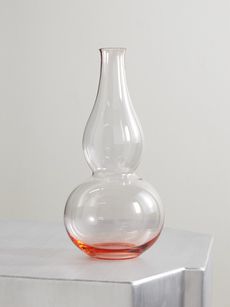 LOBMEYRFlower crystal glass vase
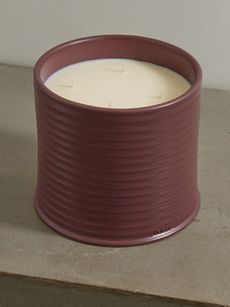 LOEWE PERFUMESBeetroot large scented candle, 2120g
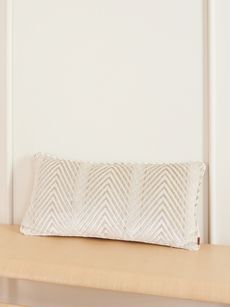 MISSONI HOMEZiggy striped velvet cushion
Rotating your collection
Artelier’s work is predicated on having a curatorial mindset, frequently assisting on major limited showcases. At The St. Regis Venice, the consultancy collaborated on Komorebi, an exhibition staged to coincide with Biennale Arte 2026, placing contemporary works in dialogue with the hotel’s palazzo architecture. “There’s a nice clash between contemporary and classical,” says Knowles. The exhibition format, he adds, allows a space to remain “relevant and contemporary and on the pulse.”
When it comes to how they work with private clients, the same emphasis on curation rotation abounds, as they help collectors to review and commission, sell and replace work, as well as auditing collections in storage, consulting on repositioning, reframing and re-energizing what they already own.
“The idea of rotation is so interesting,” says Knowles. “There are many collectors who have work in storerooms and feel almost guilty that they’ve got these gorgeous pieces locked away.” So he helps them find ways to bring them back out, in turn helping to change the emotional temperature of the spaces they’re then hung in.
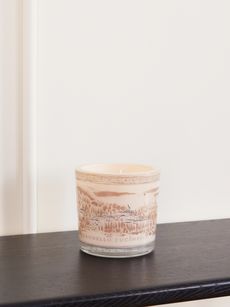 BRUNELLO CUCINELLILarge scented candle
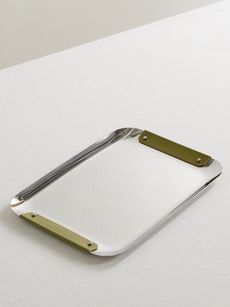 CHRISTOFLEClub leather-trimmed stainless steel tray
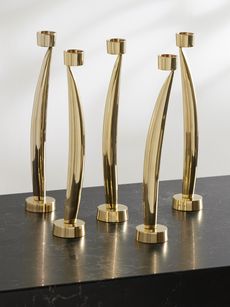 FOURTH STREETLeaf set of five gold-tone brass candleholders
 RALPH LAUREN HOMESawyer leather-trimmed checked canvas card set
The art of temporary ownership
McCrae’s agency, Artiq, goes one step further. The London-based art consultancy he founded with his father in 2009 offers, among other things, a rental service. “We’re moving away from an economy of things to an economy of experiences,” he says, “and the fact that art rental is now a growing part of the market is, I think, an example of that.”
“I think people are looking at art now as a way of accessing local community and feeling connected to the places they either travel to, exist in or have experienced,” McCrae says. “We’re already renting every other part of culture in our lives – we’ve rented books, films, we’ve been renting music. Why not art?” Plus, it’s more of a circular economy: rental is a great way of creating a runway for up-and-coming or mid-career artists.
Among the other varied benefits of this dip-in, dip-out doctrine is the freedom to experiment and play in a way that you often can’t when the buy-in is much steeper. It’s taste as discovery, rather than decree. At The Whiteley in London’s Bayswater, where Artiq worked on apartments including spaces designed by Kelly Behun, McCrae points to works by Makiko Harris – bold, brightly colored canvases, interestingly framed in octagonal shapes – as examples of what becomes possible when the stakes are a bit more fluid. “When you have a leased collection, you can maybe push the envelope a little bit more than you would have if you were buying,” he says. “If you’re wondering what your friends might say, you could rent it and see.” And then rotate as necessary or, as the consultant jokes, resolve to get new friends.
There’s the ‘try it on for size’ element, too. His clients often keep a collection for six months, then change it, sometimes buying “a piece or two” that they fell in love with, before introducing new works. McCrae himself owns a David Shrigley work bought during the pandemic: “A big blue rabbit with huge ears” bearing the words, “I am listening, but you don’t make any sense.” It was a bold choice and he sat with it for a while, before deciding that it encapsulated a version of himself perfectly and keeping it on display.
Evolving, surprising, challenging and appealing to the different sides of your personality are the order of the day, but for all the many benefits of rotating and renting prized pieces of art, it seems that possibly the most exciting thing about this movement is that it frees the domestic interior from the tyranny of ever being ‘finished’.
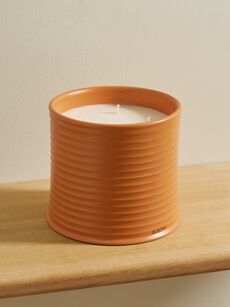 LOEWE PERFUMESOrange Blossom large scented candle, 2120g
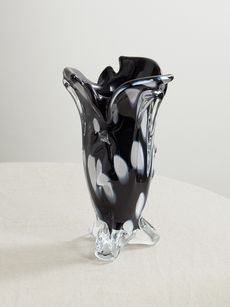 LOUISE ROEDrape glass vase
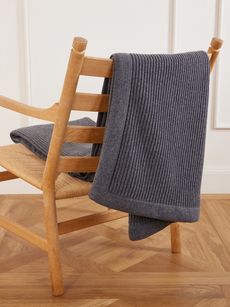 BRUNELLO CUCINELLIRibbed-knitted cashmere throw
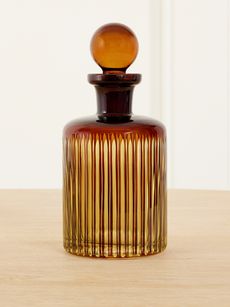 L'OBJETPrism glass decanter
